
The Ultimate Guide to B2B Sourcing and Supply of Mini Candy
If you import or distribute confectionery, mini candy is one of the most reliable product lines you can add to your catalog. It is compact, has a long shelf life, moves fast at the point of sale, and covers a wide range of price points — from everyday mints to premium sugar-free and functional formats. The challenge is rarely the product itself. It is finding a supplier who can hold quality across batches, match packaging to your destination market, and give you one clear point of contact from sample through shipment.
This guide walks through the full sourcing process for mini candy: what to source, which specifications to lock down first, what certifications to ask for, how to read a factory’s production capability, and how to structure the order so it arrives the way you agreed. It is written for importers, distributors, retailers, and private label brands.
1. What “Mini Candy” Means in B2B Sourcing
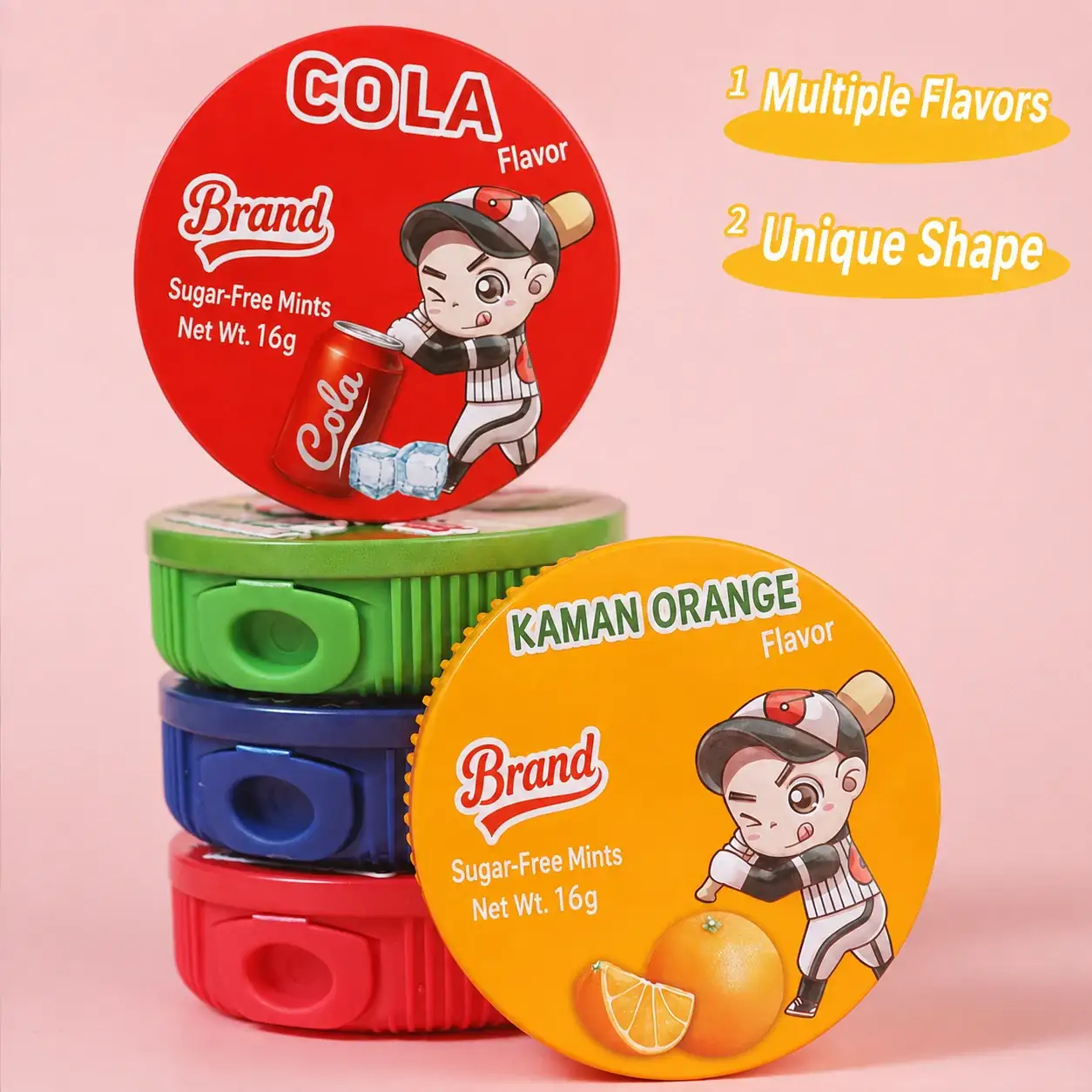
In a wholesale context, “mini candy” is a broad category rather than a single product. It covers any small, individually wrapped or bite-sized confectionery sold in bulk, and it breaks down into a few clear families:
- Pressed and tableted candy — compact mint and fruit tablets pressed from powder, including sugar-free varieties. See our tablet candy range.
- Mint candy — hard mint, soft peppermint, and sugar-free mints, often the highest-volume line. See peppermint candy and soft peppermint candy.
- Functional and specialty candy — charcoal mint, probiotic milk sticks, tea candy, and other formats that justify a premium price.
- Gummy candy — bear, shark, and animal shapes in standard or sugar-free recipes. See our gummy candy range.
- Milk, coffee, and tea candy — soft chews and hard candy in flavors popular across Asian and Southeast Asian markets.
Each family carries different equipment requirements, cost structures, and compliance considerations, so the first step in any sourcing project is to decide which families you actually want to carry, rather than asking a supplier for “some candy.”
2. Product Formats and Packaging You Can Source
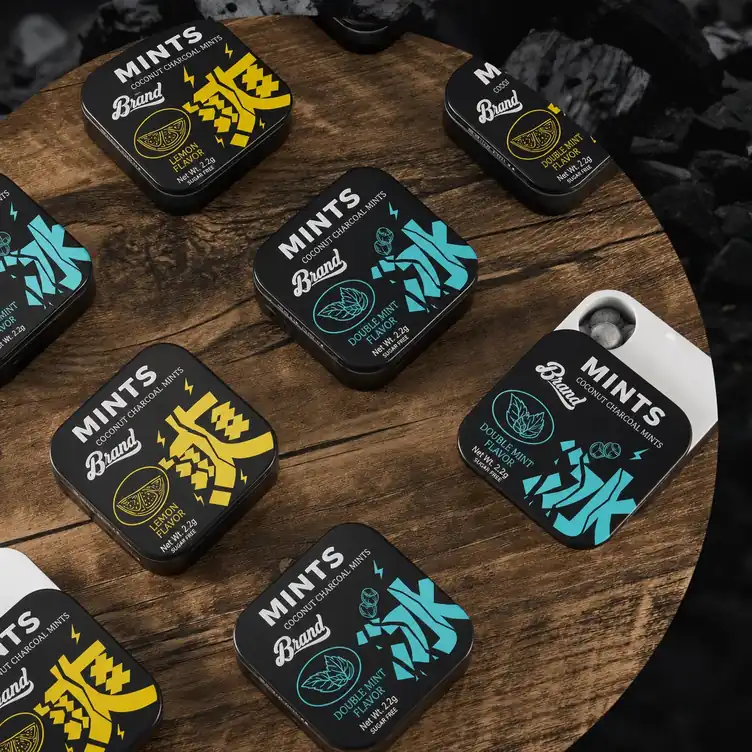
Mini candy is defined as much by its packaging as by its recipe. The same pressed mint can be delivered in a dozen different retail and bulk formats, and the format you choose directly affects your landed cost, shelf appeal, and labeling obligations. The most common formats are:
- Bottles and jars — high-perceived-value retail format for mints and tablets.
- Stand-up pouches — lightweight, flexible, and popular for gummy and functional candy.
- Tubes and sachets — impulse-buy formats for mints and pressed candy.
- Bulk packs — for repackaging or foodservice use.
3. Specifications to Lock Down Before You Source
The single biggest source of delay and rework in candy sourcing is vague specifications. Before you approach a supplier, write down the following. It will shorten the quoting and sampling cycle dramatically.
- Formulation — regular sugar or sugar-free? If sugar-free, which sweetener (maltitol, sorbitol, stevia, or a blend)? This changes both cost and labeling.
- Flavor and color profile — the flavor list, whether colors are natural or synthetic, and any “clean label” requirements.
- Shape, size, and piece weight — the tablet diameter or gummy weight per piece, which affects the pressing or molding tooling.
- Packaging format and material — bottle, pouch, tube, or sachet, plus whether you need custom printed packaging or plain stock.
- Shelf life target — typically 12–24 months for pressed candy, which must be validated against your formula and packaging.
- Labeling language and compliance — the language, nutritional panel format, and any ingredient declarations required by your destination market.
A clear specification sheet is also the fastest way to get an accurate quote, because the supplier no longer has to guess at the half-dozen variables that move the price.
4. Certifications and Compliance
Food safety documentation is the baseline of any serious candy supply relationship. When you evaluate a supplier, ask for current copies of the certifications below, and confirm that the name on the certificate matches the entity you are actually buying from.
- ISO 22000:2018 — the international food safety management system standard covering the full production chain.
- HACCP — hazard analysis and critical control points, the operational framework for identifying and controlling food safety risks.
- Food production license — the local operating license that permits the facility to manufacture food products.

Beyond the certificates, confirm how the supplier handles destination-market labeling. A supplier who has shipped to your market before — and who already understands its labeling, allergen, and ingredient declaration rules — will save you weeks of back-and-forth and reduce the risk of a shipment being held at the border.
5. Manufacturing Capability Checklist
A certificate tells you a facility is compliant; the equipment tells you whether it can actually handle your order size and format. When you evaluate a mini candy partner, look at the production floor rather than just the sales brochure.
As a reference point, our sourcing network coordinates production with a dedicated candy facility in Shantou, Guangdong, organized across a six-floor production building. The capability behind our mint, pressed, and tableted candy lines includes:
- 16 tablet presses — for mint candy, sugar-free mints, and tableted formats.
- 16 packing machines — for bottles, jars, tubes, stand-up pouches, and sachets.
- 6 ingredient mixers — for consistent blending across batches.
- 4 metal detectors — plus coding and sealing support as part of quality control.
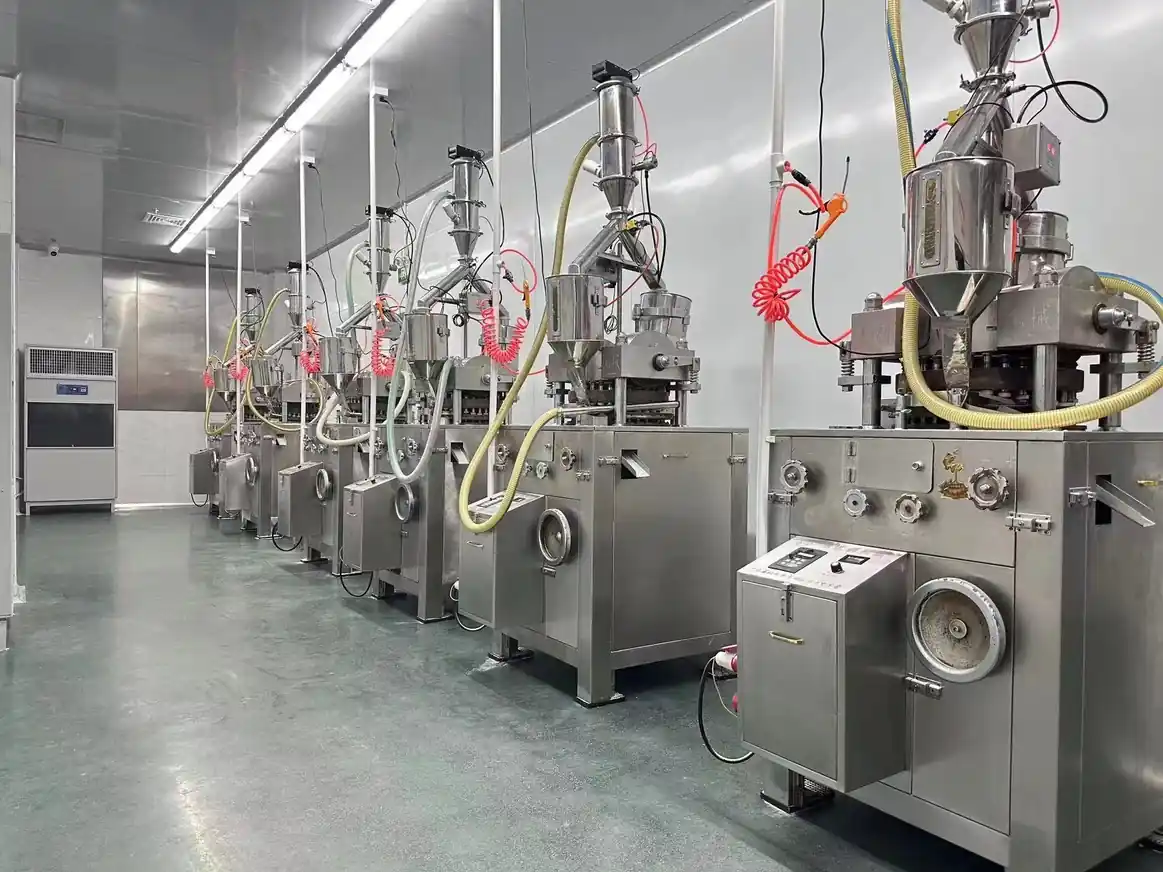
The number of presses and packing lines matters for two reasons. First, it tells you whether the supplier can scale with you if your order grows. Second, it tells you whether your product will share capacity with many other clients or run on a dedicated line — which affects both lead time and consistency.
6. MOQ, Lead Times, and Sampling
Mini candy is a high-volume, moderate-margin category, so minimum order quantities and lead times matter more here than in most other food lines. Before you commit, clarify these four things in writing:
- MOQ per SKU — usually expressed in cartons or pieces, and often lower for stock formats than for custom packaging.
- Sampling process — whether you can order a small sample batch first, and how long sample production takes.
- Production lead time — from artwork approval to ready-to-ship, which typically runs several weeks for custom orders.
- Order consolidation — whether you can combine multiple SKUs or flavors into one container to reach a workable MOQ.
A supplier who encourages you to sample before you commit, and who confirms the sample will be produced on the same line as the bulk order, is generally a stronger partner than one who pushes straight to a full container.
7. How to Vet a Mini Candy Supplier
Beyond the paperwork, the way a supplier communicates is one of the best predictors of how the order will go. Three signals to look for:
- One clear commercial contact — a single person who owns your project from product selection through factory coordination, so you are not bounced between departments.
- Transparent specification discussion — a supplier who asks detailed questions about your market, packaging, and compliance requirements is doing their job, not being difficult.
- Factory access and evidence — photos or video of the actual production floor, equipment, and certificates that you can verify, rather than generic stock imagery.
It is also worth understanding the difference between a manufacturer and a sourcing or trading partner. A manufacturer owns the production line; a sourcing partner like Yunfan coordinates production across vetted facilities and manages the commercial and logistics side for you. Both have a place — the key is knowing which one you are talking to, and whether that structure suits your order size and your need for control.
8. Export Markets and Logistics
Mini candy travels well, but the practical details of an export order depend heavily on the destination market. Our sourcing network focuses on Southeast Asia, where we have delivered confectionery orders across Malaysia, Indonesia, the Philippines, Thailand, Vietnam, and Singapore, with other markets supported on request.
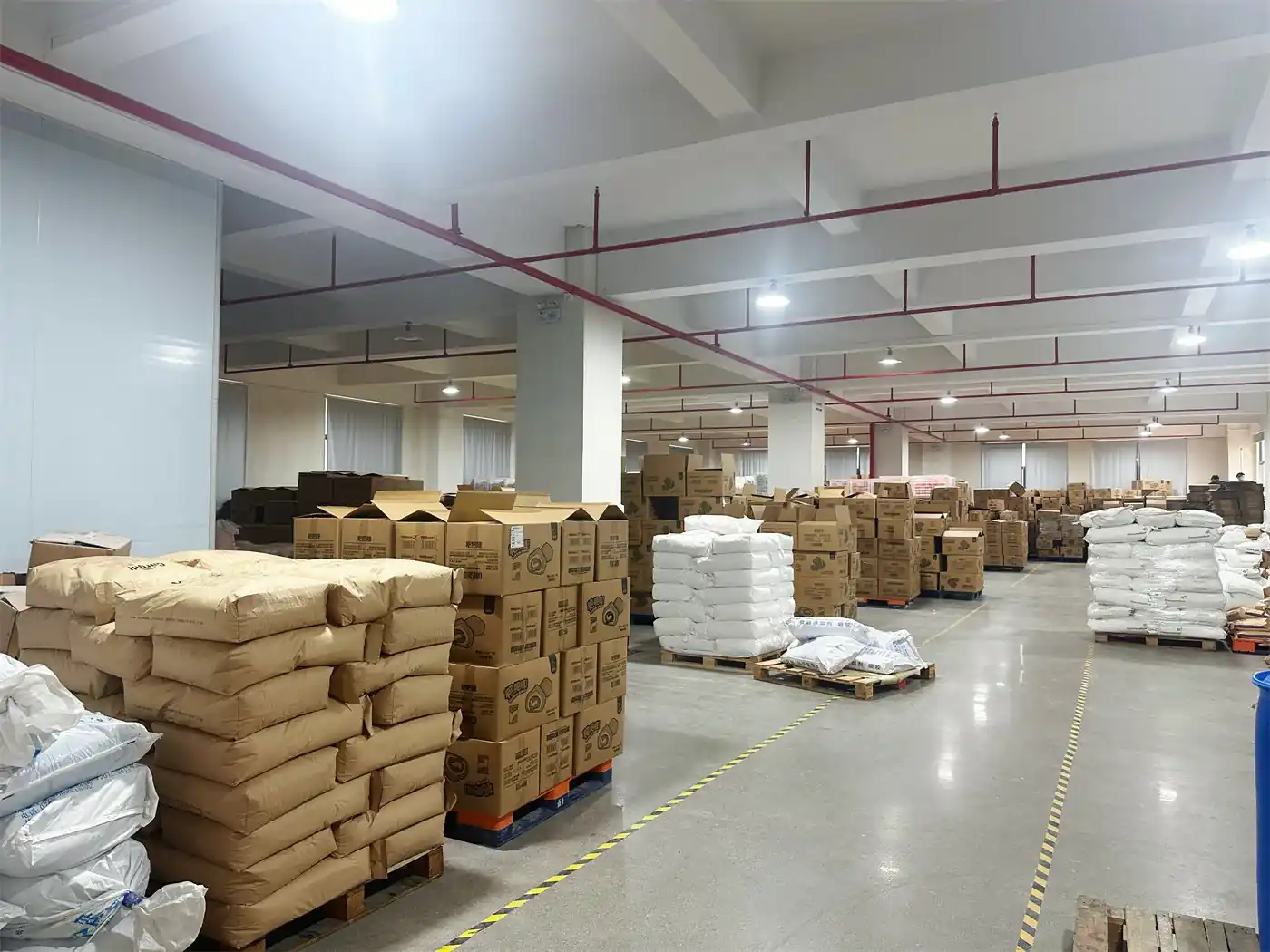
If you are entering a new market, raise it in your first conversation with a supplier. The labeling language, the nutritional panel format, the allergen declarations, and sometimes even the packaging dimensions are all market-specific. A partner who has already shipped to your region can align these details before the order is locked, which is far cheaper than correcting a container at the port.
9. A Simple Sourcing Workflow
If you are new to mini candy sourcing, follow this sequence and you will avoid most of the common mistakes:
- Define your range — choose the two or three product families and the packaging formats you want to launch with.
- Write your specification sheet — formulation, flavor, size, packaging, shelf life, and labeling language.
- Shortlist suppliers and verify documents — ISO 22000, HACCP, and the food production license, with names that match.
- Request samples — confirm they are produced on the same line as the bulk order, and check flavor, texture, and packaging.
- Align on destination-market compliance — labeling, allergens, and documentation for your specific market.
- Lock the order — MOQ, lead time, and consolidation, with everything in writing.
- Plan the repeat — agree on a reorder trigger so you are not starting the whole cycle from scratch next time.
Start With a Conversation, Not a Container
The most profitable mini candy sourcing relationships usually begin small: a clear specification, a sample batch, and one well-run order. That first order builds the trust and the repeatable process that later lets you scale to full containers without surprises.
If you are sourcing mini candy — pressed mints, sugar-free candy, gummy, or specialty formats — tell us your destination market and your target format. We will align product specifications, packaging, and documentation with that market, and coordinate the sample and order from one point of contact.
Contact us to discuss your mini candy sourcing project, or browse our candy supplier overview to see the full range.