Candy Sourcing & Private Label Supply
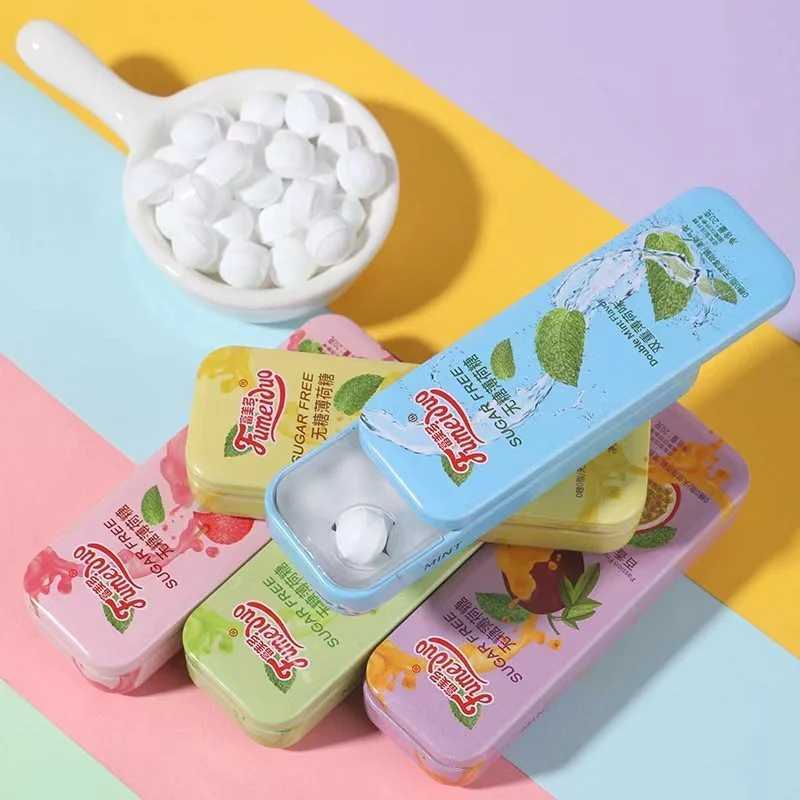
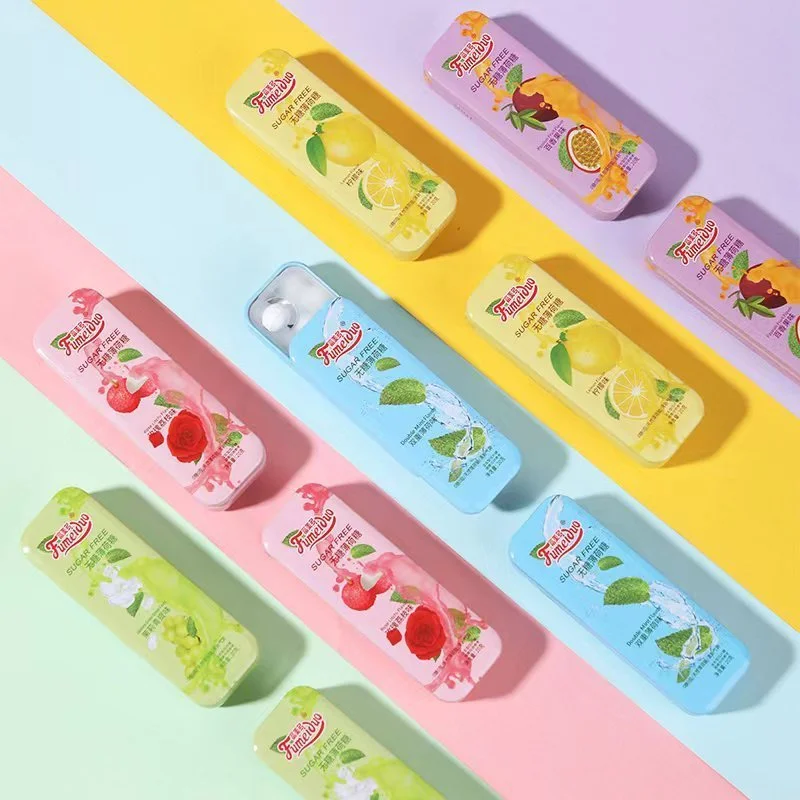
Push-pull mint tins and candy pieces
Yunfan · Buyer resources

Candy Buying Guides from your candy supplier.

Choose candy by flavour, texture and packaging. Make a clearer purchasing decision for your retail range, event or private label project.

Explore the Guides
Wholesale selection Private label Partner-factory coordination
01 / Product selection

Start with the candy type.

Choose a product family, then compare the exact flavour, formula and pack. We coordinate selection across six candy categories and the relevant manufacturing partners.

Candy type What to compare
Mint Candy

Including sugar-free mint options.

Cooling profile, sweetener system, and portable or individually wrapped formats.
Gummy Candy

A chewy direction for your assortment.

Texture, gelling ingredients, shape and coating for the selected product.
Coffee Candy

Boxed, canned and coffee-milk references.

Coffee profile, dairy ingredients and the exact packaging version.
Milk Candy & Milk Tablets

Milk-flavoured and compressed formats.

Product format, dairy ingredients, flavour and individual wrapping.
Tea Candy

Tea-flavoured compressed candy.

Tea flavour, retail pack size and individual wrapping.
Crispy Candy

A contrasting, crisp-textured direction.

Shell and centre description, bite, ingredients and packaging.

Flavour names do not establish ingredients. Black coffee flavour does not automatically mean dairy-free, and a crispy candy description does not establish a chocolate centre.

Mint candy in portable retail tins
Compare the candy and its immediate packaging as well as the outer pack.
A category is a starting point. The selected product specification defines the finished candy.
02 / Packaging decisions

Compare the pack.
Then compare the price.

A retail unit, a display box and an outer carton are different purchasing units. Start with net candy weight and the number of sellable packs.

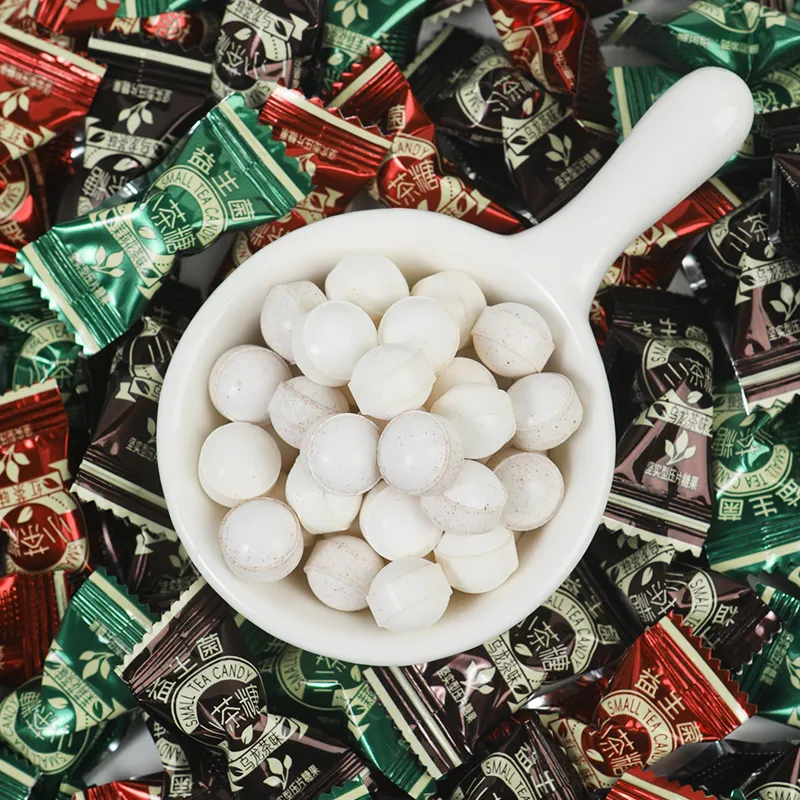
Tea candy and individual tea-flavour wrappers
Product reference Pack specification Selection use Compare next
Push-pull mint tin 20g per tin.
12 tins / 240g net per display reference.
Compact retail units and counter displays. Cost per tin, display configuration and outer carton.
Tea candy box 60g outer pack.
Individually wrapped candy.
Smaller retail packs and product presentation. Box size, wrapper format and sellable unit.
Tea candy bag 500g outer pack.
Individually wrapped candy.
Sharing formats and larger-pack distribution. Net weight, specified piece count and carton packing.

These are product-specific packaging references, not a stock guarantee. A 500g bag does not establish the piece count. The approved specification defines the final formula, packing and order configuration.

03 / The buying guides

Better questions. Clearer choices.

Practical guidance for shortlisting products, comparing samples and preparing a candy order.

GUIDE 01

How do I choose candy for an assortment, gift project or event?

Start with the eating experience and how the candy will be distributed. A chewy gummy, a compressed mint and a crisp-textured piece offer different choices. Combining distinct textures can create more variety than adding several similar flavours.

For gifting, compare individual wrapping, retail packs, label space and how the products sit together. For events, decide whether candy will be handed out in sealed units, added to favour packs or served from shared containers.

Mint, coffee, milk and tea candy offer different flavour directions in our sourcing range. Gummy and crispy candy can add contrasting textures once the specific products have been selected.

Choose the contents before the outer presentation. A multi-product order and a finished mixed gift box have different packing and assembly requirements.
GUIDE 02

How can I compare bulk candy prices fairly?

Use the same purchasing unit. Price per kilogram compares candy weight; price per sellable pack helps assess retail purchasing. Neither comparison is complete without checking what the quotation includes.

For example, 12 tins containing 20g each represent 240g of net candy. The tin, display box and transport carton are packaging, not edible product weight.

Compare Why it matters
Product and flavour Different formulas and pack versions can have different costs.
Net weight and unit count These define the candy and sellable stock you receive.
Packaging scope Printed wrappers, display boxes and development work can change the quotation.
Delivery scope Quotations may cover different stages of the journey.
Remaining shelf life The available selling period matters alongside the purchase price.
GUIDE 03

How do I choose sugar-free candy that tastes good?

Compare samples rather than relying on the sugar-free description alone. Sweetness, cooling sensation, flavour release, texture and aftertaste can differ between formulas.

Taste shortlisted products under the same conditions. Record mild or strong cooling, short or lasting sweetness, bite and any noticeable aftertaste. Keep the sample version identified so the comparison can be repeated.

We include sugar-free mint options in our mint candy range. Match the sweetener system and nutrition information to the exact product rather than transferring them from another mint SKU.

Sugar-free does not automatically mean zero-calorie or zero-carbohydrate. Review nutrition information and serving size separately.
GUIDE 04

What should I check in a candy sample before a bulk order?

Reviews can identify questions to investigate. An identified sample gives you a specific product to compare against the intended flavour, texture and packaging.

Review area Record
Flavour Sweetness, relevant acidity, mint cooling, coffee or tea character, and aftertaste.
Texture Firmness, chew, crispness or dissolution for the product type.
Appearance Shape, surface, colour and consistency against the selected reference.
Packaging Wrapper condition, opening experience and intended retail unit.
Identification Product reference, flavour, sample version and specification.

Coffee milk candy and tea candy are compressed-candy references; they should not be evaluated as gummies. Keep the approved sample, specification and artwork linked when reviewing changes.
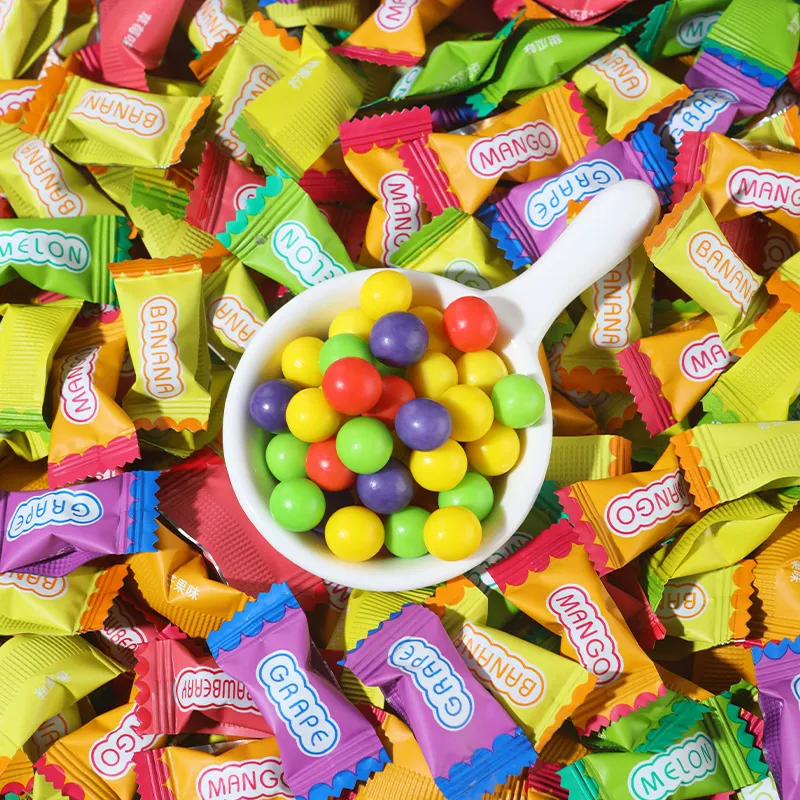
Crispy candy product and packaging
GUIDE 05

How should I review ingredients and allergens?

Use ingredient and allergen information for the exact product, flavour and manufacturing source. Colour and front-of-pack flavour descriptions cannot establish whether a product meets a dietary requirement.

Coffee milk candy references contain milk-derived ingredients. Tea candy references also carry a warning that the production line handles milk-containing products. A tea or coffee flavour name cannot establish a dairy-free product.

Review ingredients and cross-contact information separately. For a special ingredient exclusion, obtain product-specific information before making a purchasing or label decision.

GUIDE 06

How should I plan Halloween, Valentine’s Day or other seasonal orders?

Work backwards from the date the products need to be available. Allow for selection, sample review, packaging approval, production coordination and transport. The schedule depends on the products and project scope.

  1. 01 Product selection
  2. 02 Sample review
  3. 03 Packaging approval
  4. 04 Order coordination
  5. 05 Delivery planning

A seasonal assortment can begin with existing candy products. Seasonal shapes, special colours, printed wrappers and mixed gift packs are separate requirements for review.

Balance variety against the stock you can use. Event quantities should follow your distribution plan and actual pack or piece count, rather than a universal number of sweets per guest.

GUIDE 07

What should I verify when buying candy internationally?

Identify the commercial supplier and the manufacturer responsible for the selected product. Connect the sample, specification, ingredient information, packaging and quotation to the same product reference.

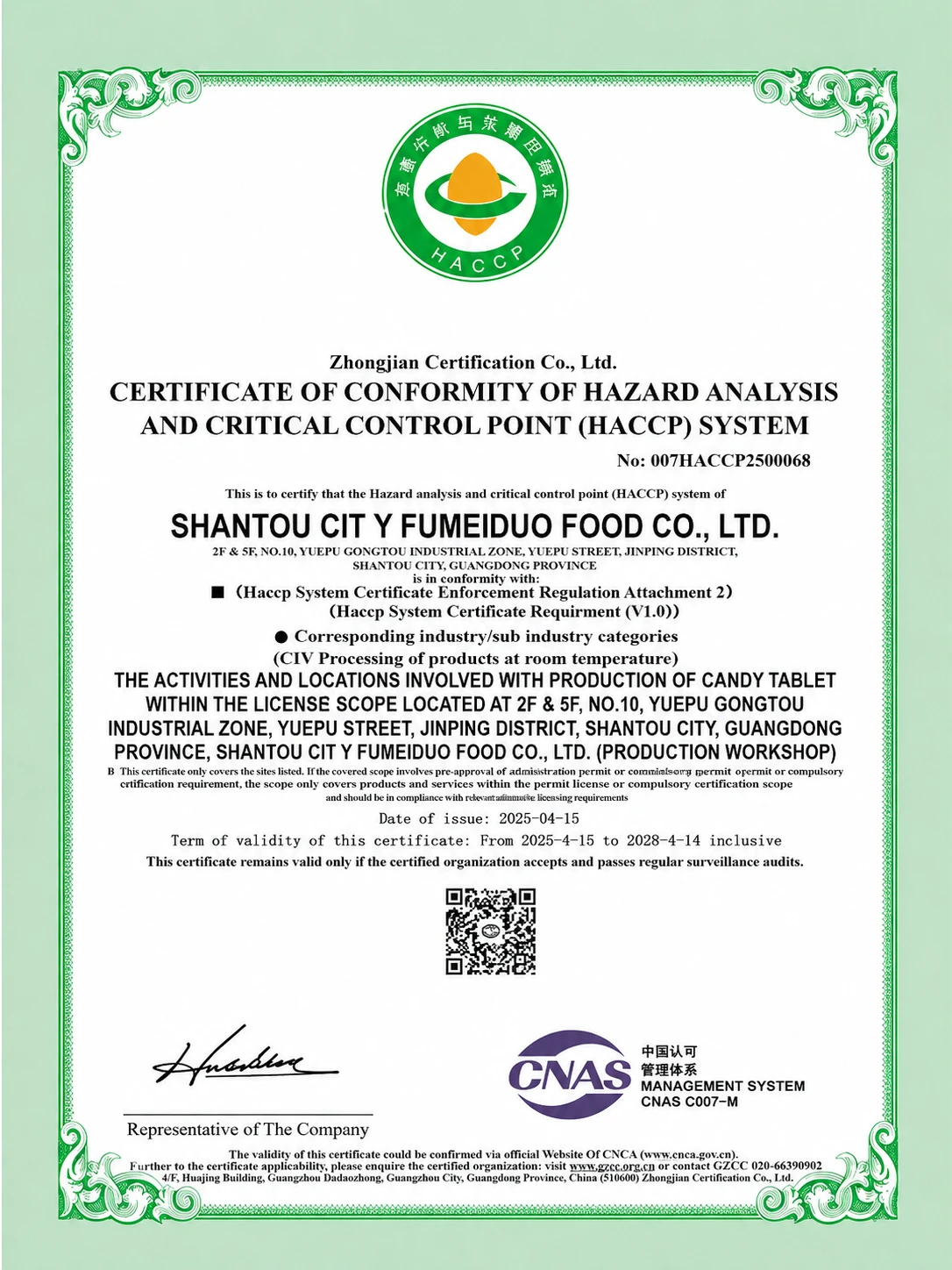
Go beyond supplier ratings. Check whether documents name the relevant manufacturer and whether the quotation defines quantity, packing and delivery scope. A manufacturing certificate has a named holder and stated scope; it does not automatically cover every product in a mixed order.

We act as the sourcing and coordination contact for partner-factory projects. Product selection, manufacturing responsibility and order arrangements are reviewed together.

04 / Working with Yunfan

One conversation for your
product, packaging and order.

We coordinate the details around the selected candy and your intended market, with product-specific responsibilities and conditions.

Keep product versions clear.

Similar names and different pack weights do not always mean the same formula. We coordinate flavour, specification, net weight and packaging requirements.

Connect private label details.

We coordinate OEM/ODM requirements, samples, packaging, labels and brand files. Feasibility is reviewed for the product and manufacturing partner.

Coordinate across partners.

A broader assortment may involve more than one factory. We coordinate order requirements, inspection requirements and delivery discussions.

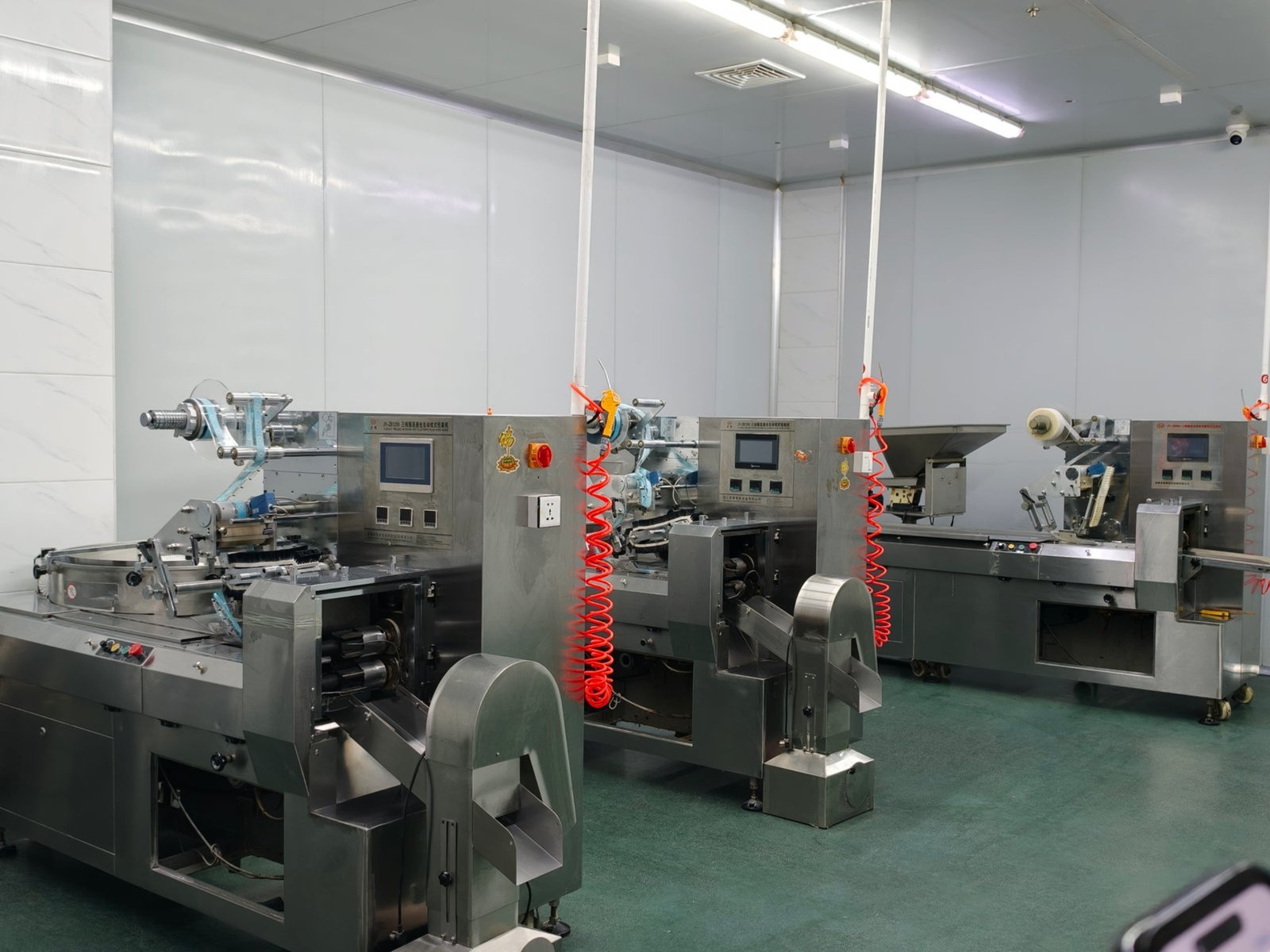
Candy manufacturing partner workshop
Manufacturing facilities of our candy production partner.
05 / Manufacturing partners

Know who is behind
the selected product.

We work with manufacturing partners rather than presenting their facilities as Yunfan-owned factories. For relevant tablet-candy projects, our partner network includes SHANTOU CITY FUMEIDUO FOOD CO., LTD.

The partner’s HACCP documentation identifies the manufacturing entity and the stated candy-tablet production scope. Product review also includes the approved sample, specification, packaging and agreed inspection requirements.

HACCP certificate for SHANTOU CITY FUMEIDUO FOOD CO., LTD.
Manufacturing partner HACCP documentation Named holder · Stated production scope
Certificate no. 007HACCP2500068
Your next step

Turn your shortlist
into a sourcing
discussion.

Share the candy types, intended market, estimated quantities and preferred packaging. We can review product selection, partner-factory fit and the next steps.

Minimum quantities, mixed-order conditions and delivery arrangements are reviewed for the selected project.